We use cookies to make your experience better. To comply with the new e-Privacy directive, we need to ask for your consent to set the cookies. Learn more.

A Brief Guide to Using Ceramic Water Filters in Your Home
- June 13, 2022
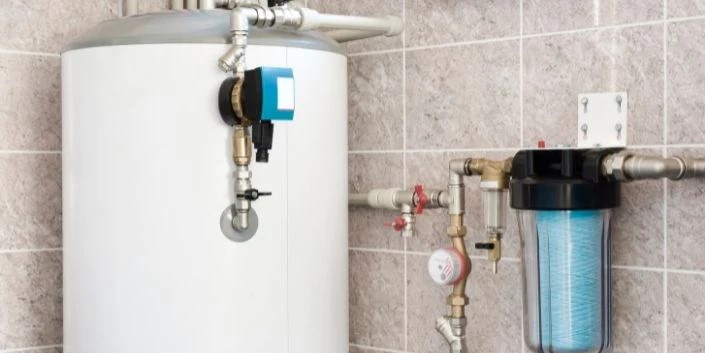
Water is a necessary nutrient for humans to survive. Water is required to digest food, cool our bodies, lubricate our eyes, carry other nutrients, clear pollutants, and conduct a variety of other vital functions. Unfortunately, toxins such as chlorine, chloramines, trihalomethanes, agricultural pesticides, silt, corrosion, and heavy metals are frequently found in the water we drink. What’s the solution? A water filter. Without further ado, here is a brief guide to using ceramic water filters in your home.
What Are Ceramic Water Filters?
Ceramic water filters remove pollutants, such as dirt, debris, bacteria, and cyst parasites, from water using the fine pore size of ceramics. For added contaminant removal, modern ceramic filters frequently include extra filtration media within the ceramic shell’s walls. Granular activated carbon, carbon blocks, and unique mineral mixtures are examples.
How Do Ceramic Water Filters Work?
Ceramic filters operate as a sieve and use mechanical filtration. The ceramic filter will stop any particle larger than the pore size of its surface as water passes through it.
Ceramic water filters can minimize or eliminate tiny impurities such as silt, protozoa, and microbial cysts (giardia, cryptosporidium, and bacteria) due to their narrow pores. However, ceramic filtration is ineffective against viruses on its own. Many ceramic filters include silver, which kills or incapacitates germs. The presence of silver in the filter can also prevent the growth of algae and mildew.
How Often Will I Need To Clean My Ceramic Filter?
This depends on several things, including the quantity of sediment in your water and the amount of water passing through the filter. You should clean your filter every two to three months if your water is reasonably clean.
If you’re in an area with a lot of sediment and you’re using a canister system, you should put a sediment filter in before putting in your ceramic filter. This will keep your filter from clogging up too rapidly. If cleaning your filter sounds too labor intensive, consider getting a ceramic filter that uses replacement filters.
Do Ceramic Water Filters Remove Viruses?
In a nutshell, no. Viruses are microscopic germs that are 1000 times smaller than bacteria. Because the viruses are so much smaller than the pores of ceramic water filters, you can’t rely on ceramic filtration alone to remove viruses. Fortunately, chlorine is quite good at killing viruses, so if you use city water, you shouldn’t have any concerns.
We hope you have enjoyed our guide to using ceramic water filters in your home. Install one today to enjoy fresh, clean water at a lower price than conventional bottled water!

Share on Facebook

Share on X

Share on Pinterest
My Wish List
Last Added Items
You have no items in your wish list.
Recent Posts
Popular Posts