We use cookies to make your experience better. To comply with the new e-Privacy directive, we need to ask for your consent to set the cookies. Learn more.

The Most Important Certifications for Water Filters
- August 30, 2022
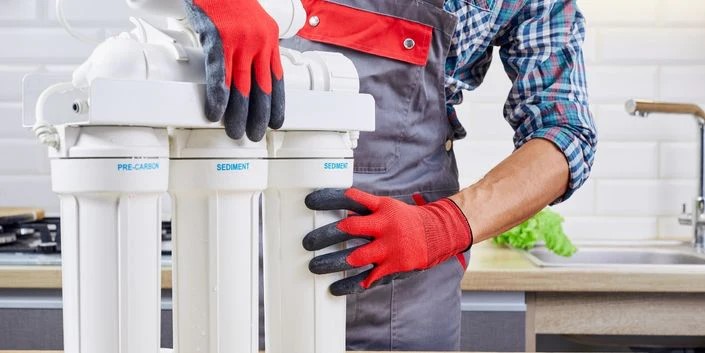
We live in a world that increasingly depends on water filtration to ensure our water is clean and healthy to drink. While it can be hard to grasp this topic in the beginning, one of the best ways to fully understand it is to understand water filter certifications. Read on to learn more about the most important certifications for water filters you must familiarize yourself with.
What Is an NSF Certification?
When understanding the most important certifications for water filters, the best place to start is understanding what an NSF certification is. The NSF, or Public Health and Safety Organization, is a government program dedicated to testing products to ensure they live up to the promises made by their manufacturers. The NSF helps consumers test products to ensure they meet the base standards they claim, which is especially important when dealing with water filter certifications. In fact, NSF certifications apply to almost every part of a water filter, including the replacement filter cartridges that you should replace every few months in a home water filtration unit.
How Are the Standards Developed?
Consumer standards for NSF-verified products have undergone stringent verification to ensure they address a full range of worries that consumers may have when dealing with water filtration units. Standards are typically based on such characteristics as scent, flavor, and mineral content, all of which provide a wide array of insight into the water quality. This standard provides customers peace of mind knowing that their friends and family will be safe when drinking from the filter. In most cases, consumers will be able to tell that the product has passed the standards by looking for an “NSF” or “ANSI” logo, followed by the product’s personalized code.
Is There a Difference Between NSF Certified and Certified to NSF Standards?
While it may sound similar, there is a huge difference between the verifications of NSF certified versus certified to NSF standards. Certified to NSF standards means the company hasn't taken steps to be verified by the NSF. Instead, they choose to run their own tests, which may be unreliable in the long run. As such, you should always look for NSF-certified water filtration products to ensure they meet or exceed NSF standards.
While it can be hard to understand the most important certifications for water filters, we’ve hopefully helped you learn what you need to look for when shopping for a quality water filter. Lastly, remember that you are taking your health into your own hands with a filtration unit, so it makes sense to buy the most quality water filter possible!

Share on Facebook

Share on X

Share on Pinterest
My Wish List
Last Added Items
You have no items in your wish list.
Recent Posts
Popular Posts